

Lara Dutta Defends Kaikeyi in Ramayana, Says She Was Not the Villain
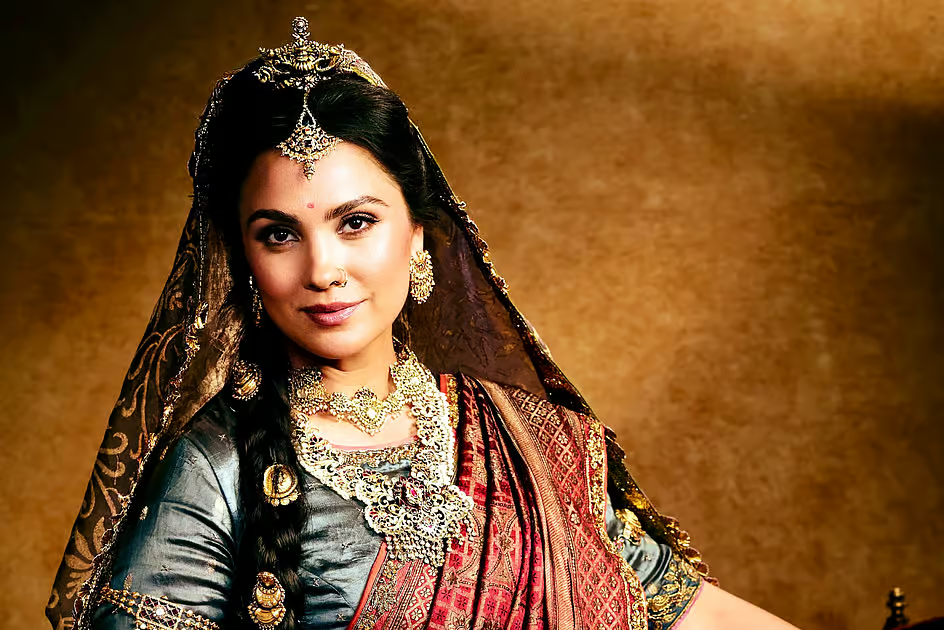
Actress Lara Dutta has offered a fresh perspective on one of the most debated characters in the Hindu epic Ramayana. The actress, who plays Kaikeyi in filmmaker Nitesh Tiwari’s cinematic adaptation of the epic, believes that the queen should not simply be remembered as the villain who sent Lord Ram into exile.
In a recent interview with SCREEN, Lara explained that Kaikeyi’s decisions were influenced by her love for her son Bharat, her responsibilities as a mother and promises made by King Dasharath before their marriage.
Her comments have sparked conversations among audiences because Kaikeyi is traditionally remembered for asking Dasharath to fulfil two boons, resulting in Ram’s 14-year exile and Bharat being named the next king of Ayodhya.
However, Lara believes that understanding Kaikeyi’s circumstances and motivations is important before judging her actions.
According to the actress, Kaikeyi was caught between her affection for Ram and her responsibility towards Bharat. She also pointed out that without Kaikeyi’s decision, the major events of the Ramayana would not have unfolded in the way they are traditionally known.
Why Does Lara Dutta Believe Kaikeyi Was Not a Villain?
Lara Dutta explained that Kaikeyi’s character has often been portrayed negatively across different versions of the Ramayana.
However, she believes the character has a much more complicated emotional journey. According to her interpretation, Kaikeyi was not simply driven by jealousy or a desire for power.
The actress explained that Kaikeyi had a responsibility to protect what she believed was her son’s rightful claim to the throne of Ayodhya.
She further recalled that King Dasharath had made a promise to Kaikeyi’s father before their marriage. According to that promise, the son born to Kaikeyi would inherit the throne, regardless of whether he was the eldest prince.
Lara believes that this promise played an important role in shaping Kaikeyi’s eventual decision.
She described the character as someone caught between a mother’s love and her duty towards her biological son.
The actress also highlighted that Kaikeyi loved Ram and was not initially against his coronation. In fact, she was happy about the announcement before Manthara influenced her thinking.
Why Did Kaikeyi Ask King Dasharath for Ram’s Exile?
One of the most important turning points in the Ramayana is Kaikeyi’s demand for two boons from King Dasharath.
According to the traditional narrative, Dasharath had promised Kaikeyi two wishes after she saved his life during a battle.
Kaikeyi later asked him to fulfil those promises when Ram’s coronation was approaching.
Her first demand was that Bharat should become the king of Ayodhya. Her second demand was that Ram should spend 14 years in exile in the forest.
These demands deeply affected Dasharath, who had already announced Ram as his successor.
Lara explained that Kaikeyi’s decision was connected to the promises made to her family and her belief that Bharat deserved the position promised to him.
She also discussed the political environment of Ayodhya, suggesting that Kaikeyi feared her son’s interests could be overlooked.
Through this interpretation, Lara wants audiences to understand the emotional and political circumstances behind Kaikeyi’s decision rather than viewing her actions through a single perspective.
‘There Would Be No Ramayana Without Kaikeyi’, Says Lara Dutta
One of the most interesting points in Lara Dutta’s interview was her explanation of Kaikeyi’s importance to the larger story.
The actress believes that if Kaikeyi had not sent Ram into exile, the events that shaped the Ramayana would not have happened in the same way.
She explained that Ram could have become the king of Ayodhya and lived a conventional life as its ruler.
However, his exile changed the direction of the story. It eventually led to several major developments, including Sita’s abduction by Ravana and the subsequent battle.
Lara also referred to another interpretation in which Kaikeyi’s actions were connected to a divine purpose: helping Ram fulfil the prophecy of defeating Ravana and restoring peace.
This perspective gives the character another dimension within the epic.
The actress therefore considers Kaikeyi a pivotal figure whose decisions helped move the entire narrative forward.
Lara Dutta Says Kaikeyi Loved Ram More Than Bharat
Another important detail shared by Lara concerns Kaikeyi’s relationship with Ram.
The actress explained that in several interpretations of the Ramayana, Kaikeyi loved Ram deeply, possibly even more than her own son Bharat.
She also highlighted that Kaikeyi never initially opposed Ram becoming the next king of Ayodhya.
According to Lara, the character was happy about Ram’s coronation and was even selecting beautiful jewellery and clothes for the occasion.
This detail is significant because it challenges the familiar perception of Kaikeyi as someone who always disliked Ram.
Lara’s interpretation instead presents a woman whose emotions changed under the influence of circumstances, promises and Manthara’s advice.
It also makes Kaikeyi’s eventual decision more emotionally complicated.
Sheeba Chaddha’s Manthara Was Important to Kaikeyi’s Story
Lara Dutta also praised her co-star Sheeba Chaddha, who plays Manthara in Nitesh Tiwari’s Ramayana.
The actress explained that Manthara’s influence was essential to understanding Kaikeyi’s character.
According to Lara, Manthara and Kaikeyi share a deep personal history. Manthara was not simply a palace attendant but also an important maternal figure in Kaikeyi’s life.
She reportedly played a significant role in reminding Kaikeyi about the promises made by Dasharath.
Lara believes that without Manthara, Kaikeyi’s transformation would not have been as powerful.
The relationship between these two characters is therefore an important part of the film’s emotional storytelling.
Lara Dutta’s Role as Kaikeyi in Nitesh Tiwari’s Ramayana
Lara Dutta’s casting as Kaikeyi has attracted considerable attention since the announcement of Nitesh Tiwari’s ambitious adaptation.
The actress has approached the character by focusing on her emotional complexity rather than presenting her as a straightforward antagonist.
She also discussed the challenge of portraying such a layered personality within limited screen time.
According to Lara, maintaining restraint and expressing the character’s emotions without overperforming was important.
The actress wanted to bring dignity and depth to Kaikeyi, allowing audiences to understand her motivations and eventual remorse.
Her performance also involves portraying the emotional consequences of the decision to send Ram into exile.
Ramayana Cast: Ranbir Kapoor, Yash and Sai Pallavi Lead the Film
Nitesh Tiwari’s Ramayana features an impressive ensemble cast led by some of the biggest names in Indian cinema.
The film features:
- Ranbir Kapoor as Lord Ram
- Sai Pallavi as Sita
- Yash as Ravana
- Lara Dutta as Kaikeyi
- Arun Govil as King Dasharath
- Ravi Dubey as Lakshman
- Sheeba Chaddha as Manthara
- Adinath Kothare as Bharat
The project is produced by Namit Malhotra and features music by Hans Zimmer and AR Rahman.
The film presents a cinematic adaptation of the epic, with particular attention to its characters, relationships and larger-than-life narrative.
The first instalment was released in theatres on November 5, 2026, while the second part is planned for Diwali 2028.
What Makes Kaikeyi One of the Most Complex Characters in Ramayana?
Kaikeyi’s character has remained one of the most discussed figures in the Ramayana because her decision changes the course of the entire story.
She is remembered for asking Ram to leave Ayodhya, but her motivations involve several layers, including motherhood, promises, royal succession and personal relationships.
Lara Dutta’s interpretation highlights these aspects and encourages audiences to look beyond the conventional image of an evil stepmother.
Her comments also underline an important distinction: understanding a character’s motivations does not necessarily mean approving every decision that character makes.
Instead, it allows viewers to explore the emotional circumstances and consequences that shape the narrative.
Conclusion
Lara Dutta’s latest comments about Kaikeyi have brought renewed attention to one of the most important characters in the Ramayana.
The actress believes Kaikeyi should not be reduced to the label of a villain because her decisions were influenced by her responsibilities towards Bharat, promises made by Dasharath and the political circumstances of Ayodhya.
She also believes that Ram’s exile was a turning point without which the familiar events of the epic would not have unfolded.
With her portrayal in Nitesh Tiwari’s Ramayana, Lara hopes to present a more nuanced understanding of Kaikeyi and her emotional journey.
Her perspective has opened another conversation about how familiar characters from mythology can be interpreted through different cinematic and storytelling approaches.

